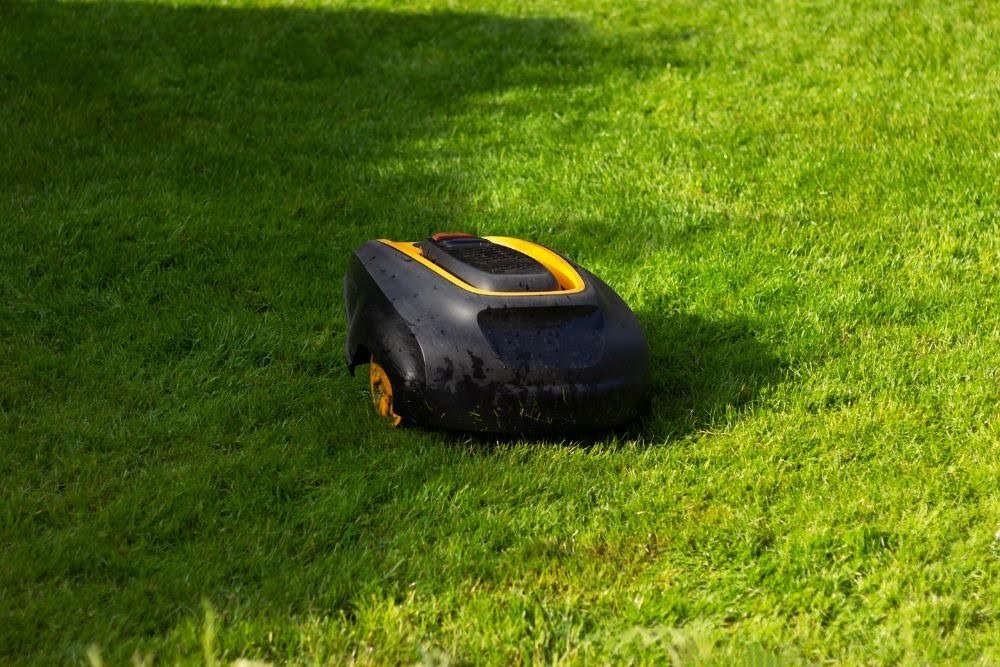
Ever found yourself dreading the weekend mow? Wondered if there’s a smarter way to keep your lawn looking pristine without sacrificing your precious free time? What if your grass could trim itself while you enjoy a cold drink on the patio?
Robotic lawn mowers are changing the game for Australian homeowners, and it’s easy to see why. These clever little machines take the hard work out of lawn maintenance, quietly going about their business while you get on with life. From scorching Queensland summers to unpredictable Melbourne weather, Aussies are discovering that automated mowing isn’t just a luxury—it’s a practical solution for our unique conditions.
In this guide, we’ll walk you through everything you need to know about robotic lawn mower features. You’ll learn how these machines work, what to look for when shopping, and whether options like the Luba robotic lawn mower are available in Australia. Plus, we’ll tackle common questions about costs, safety, and performance on Aussie turf. Let’s get stuck into it.
Think of a robotic lawn mower as a Roomba for your garden. These autonomous machines use a combination of sensors, motors, and cutting blades to navigate your lawn and trim grass to a consistent height. Most models operate on rechargeable batteries and return to their docking station automatically when power runs low.
The mower’s onboard computer processes information from multiple sensors, including collision detectors, tilt sensors, and lift sensors. This allows it to avoid obstacles, stop if it’s picked up, and navigate around your yard safely. Modern units also feature rain sensors that send them back to base during wet weather.
Unlike traditional mowers that cut grass in neat rows, robotic mowers typically follow random or semi-random patterns. This approach produces a healthier lawn, as the frequent, light cuts encourage denser growth and reduce stress on the grass.
Traditional robotic mowers use a boundary wire buried around your lawn’s perimeter. This wire creates an invisible fence that tells the mower where it can and can’t go. While effective, installation can be time-consuming and requires digging shallow trenches.
Wire-free systems represent the next generation of robotic mowing technology. These models use GPS, visual navigation, or a combination of both to map your lawn and stay within designated areas. The Luba robotic lawn mower, for instance, uses RTK-GPS technology for centimetre-level accuracy without any boundary wires.
Wire-free options offer greater flexibility, especially for complex gardens with multiple zones or irregular shapes. They’re also easier to set up and adjust if your landscaping changes over time.
Cutting width determines how quickly your mower can cover ground. Wider cutting decks (around 50-60cm) suit larger lawns, while compact models with 20-30cm widths work well for smaller yards or tight spaces.
Blade systems vary between manufacturers. Some use small, razor-like blades that pivot on a spinning disc, delivering a fine, mulching cut. Others feature traditional fixed blades similar to regular mowers. The mulching approach is gentler on grass and returns nutrients to your soil.
Battery capacity directly impacts how much lawn your mower can handle in one session. Entry-level models might manage 60-90 minutes of mowing, while premium units can run for several hours before needing a recharge.
Charging times typically range from 45 minutes to 2 hours. Many homeowners schedule their mowers to run daily for short periods, which keeps the lawn consistently tidy and ensures the battery never fully depletes.
Australian properties often feature sloped sections, making this a crucial consideration. Basic models handle gradients up to 20 degrees, while advanced units tackle slopes of 35 degrees or more.
The Luba series, for example, boasts impressive 75% slope capability (about 37 degrees), making it suitable for hilly Aussie backyards that would challenge lesser machines.
GPS-equipped mowers create detailed maps of your lawn, enabling efficient mowing patterns and precise zone management. Some models learn your garden’s layout over time, improving their navigation with each session.
RTK-GPS technology takes this further, providing accuracy within a few centimetres. This precision allows for neat edge trimming and ensures no patches get missed.
Australian conditions demand tough machines. Look for models with IPX5 or higher water resistance ratings, which indicates protection against rain and hose spray. UV-resistant plastics help prevent sun damage during our intense summers.
Quality construction materials and sealed electronics ensure longevity, even when temperatures soar above 40 degrees.
Here’s where robotic mowers really shine. Most operate between 55-65 decibels—roughly the volume of a normal conversation. Compare that to petrol mowers at 90+ decibels, and you’ll understand why neighbours love them.
This low noise level means you can run your mower early morning, late evening, or even overnight without disturbing anyone.
Modern robotic mowers connect to dedicated smartphone apps, putting complete control at your fingertips. You can start, stop, and schedule mowing sessions from anywhere with an internet connection.
Apps typically display mowing history, battery status, and maintenance reminders. Some even show real-time maps of where your mower is working.
Many premium models integrate with Google Assistant and Amazon Alexa. Simply say “Hey Google, start the lawn mower,” and your garden gets a trim. It’s convenience at its finest.
Got a front yard, back yard, and side strip? Multi-zone management lets you define separate areas with different schedules and cutting heights. The mower navigates between zones automatically, treating each according to your preferences.
The Luba series from Mammotion has generated significant buzz in the robotic mower market. Its standout features include wire-free RTK-GPS navigation, all-wheel-drive capability, and impressive slope handling up to 75%.
The machine can manage lawns up to 10,000 square metres, making it suitable for larger properties. Its vision-based obstacle avoidance system means it navigates around garden furniture, toys, and pets without boundary wires restricting its path.
Great news for Aussie buyers—the Luba robotic lawn mower is indeed available in Australia. Midmotion has expanded its distribution to include the Australian market, with units available through authorised retailers and online channels.
Pricing and specific model availability may vary, so it’s worth checking current stock with local suppliers. Australian-purchased units come with local warranty support and voltage-compatible charging systems.
Australian lawns feature tough grass varieties like Couch, Kikuyu, and Buffalo. Robotic mowers handle these well, though you’ll want a model with robust blades and sufficient power.
The frequent cutting schedule suits aggressive growers like Kikuyu, preventing the thick thatch build-up that occurs with infrequent mowing.
Quality robotic mowers are designed to operate in temperatures from 5 to 45 degrees Celsius. Rain sensors protect against wet conditions, and most units have thermal protection to prevent overheating.
During extreme heat waves, scheduling mowing sessions for cooler morning or evening hours extends battery life and reduces stress on the machine.
Prices range considerably based on features and lawn capacity. Entry-level models start around $1,500-$2,000, covering lawns up to 500 square metres. Mid-range options ($2,500-$4,000) suit average suburban blocks, while premium models like the Luba can exceed $6,000 for large property capabilities.
Consider the long-term savings on petrol, servicing, and your own time when calculating value.
Most robotic mowers handle moderately uneven terrain without issues. Their floating cutting decks adjust to ground contours, maintaining consistent cutting height across bumps and dips.
For significantly uneven lawns, choose a model with larger wheels and higher ground clearance. All-wheel-drive options provide better traction on challenging surfaces.
Safety is built into every aspect of robotic mower design. Lift sensors immediately stop the blades if the machine is picked up. Collision sensors detect obstacles and redirect the mower. Many premium models include ultrasonic sensors that detect approaching objects before contact.
While generally safe, supervision around young children and small animals is still recommended. Scheduling mowing sessions when kids and pets are indoors provides extra peace of mind.
Wire-based systems require boundary wire installation—either DIY or professional. Wire-free models simply need GPS calibration and zone mapping through the app.
Maintenance is minimal: clean the chassis weekly, sharpen or replace blades seasonally, and store indoors during extended wet periods. Most owners spend just 15-20 minutes monthly on upkeep.
Robotic lawn mowers represent a genuine step forward for Australian homeowners tired of weekend mowing duties. From basic navigation systems to sophisticated GPS technology, there’s a model to suit every lawn size, budget, and terrain challenge.
The key is matching features to your specific needs. Consider your lawn’s size, slope, and complexity. Think about whether wire-free navigation suits your lifestyle. Factor in smart features that genuinely add value versus those that simply sound impressive.
Whether you’re eyeing the feature-packed Luba robotic lawn mower or a simpler entry-level unit, you’re investing in more than just equipment—you’re buying back your weekends. Your lawn will look better with frequent, consistent cuts, and you won’t miss the noise, sweat, and hassle of traditional mowing. Now that’s a win worth celebrating.

Mr. Robert Willson is one of the few geeks who never gets tired when it comes to technology. From the latest gadgets to AI and machine learning, Mr. Willson translates them into easy-to-digest insights. Where there is tech, there is him!
 The Ultimate Guide to Robotic Lawn Mower Features
 Smart Homes, Smarter Living: How Technology Is Redefining Luxury at Home
 Top 5 Custom Jacket Patches Makers in the UK
 How AI Is Making App Building Accessible to Everyone With Claude Vibe Coding
 What Is Pay TV in Australia and Is It Still Worth It Today?