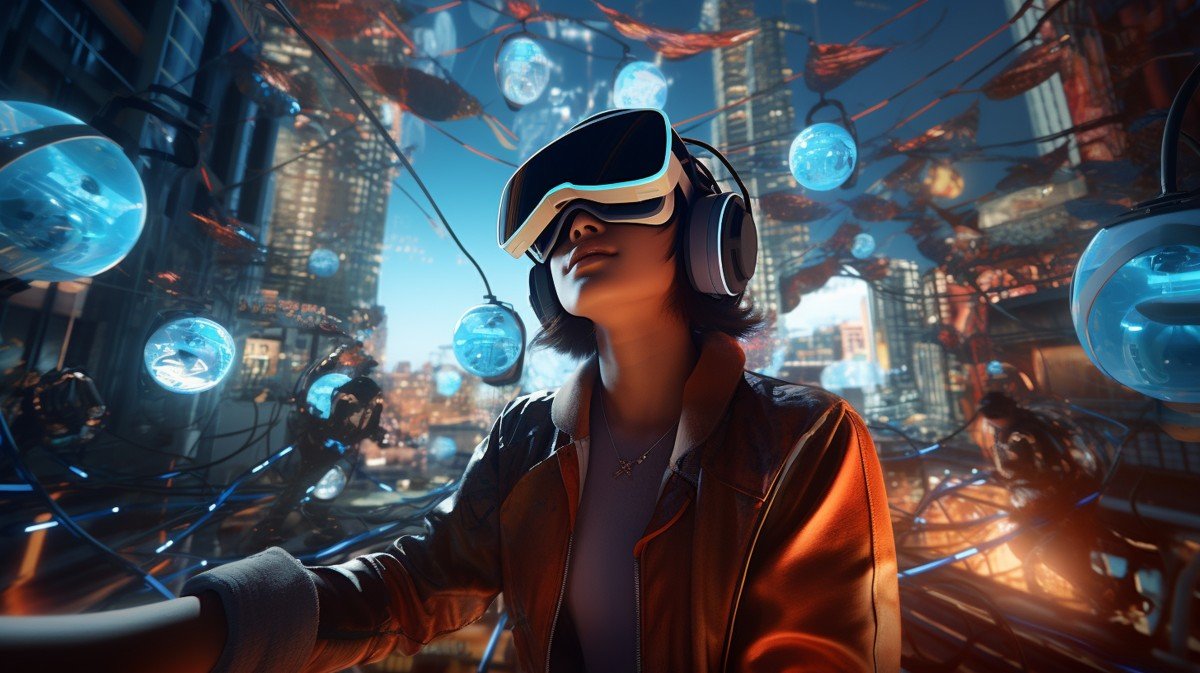
There was a time when NPCs in games had one job: stand in one spot, repeat the same three lines, and occasionally walk into a wall. Players accepted it because that was just how games worked. But gamers today expect more. They want characters that react naturally, remember interactions, and behave like actual people instead of scripted robots.
That shift is exactly why AI agents in gaming are becoming such a hot topic. Developers are moving beyond static NPC behavior and exploring systems powered by adaptive AI.
Instead of relying on rigid dialogue trees and fixed routines, modern AI NPC systems can respond dynamically to player actions, create unique interactions, and make virtual worlds feel far more alive. The result? Games that feel less like pre-programmed experiences and more like living ecosystems.

Traditional NPC design has always depended on scripts. Developers create predefined dialogue, specific movement patterns, and event triggers. Once players figure out the pattern, the illusion breaks pretty quickly.
You’ve probably seen it before:
These systems work, but they limit immersion. Every interaction eventually becomes predictable.
As open-world games grow larger and players demand more freedom, static NPC behavior struggles to keep up. Developers can add more scripts, but that also increases production time, testing complexity, and writing costs. At some point, manually scripting every possible interaction becomes impossible.
That’s where generative AI NPCs and agent-based systems change the conversation.
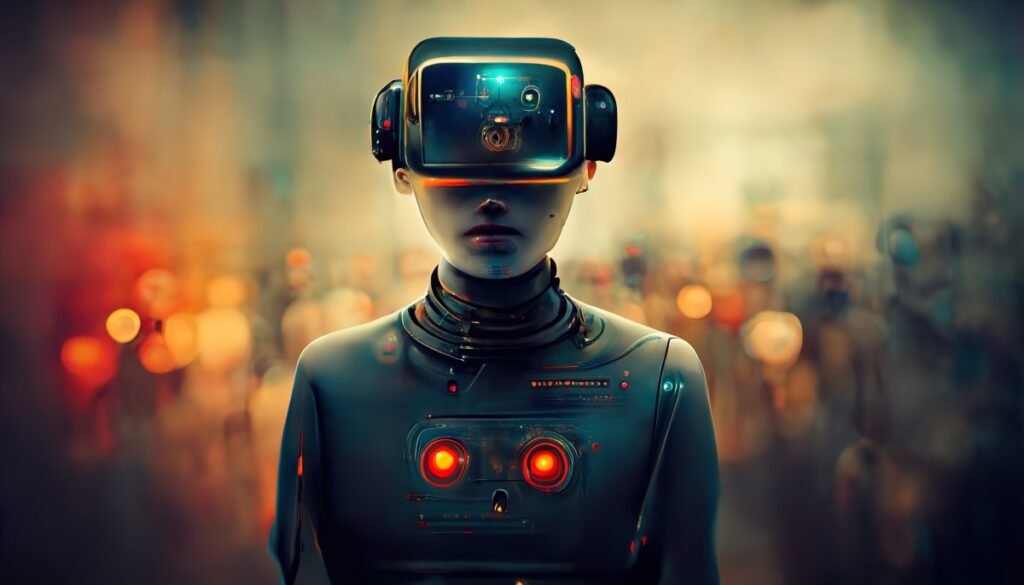
An AI agent system is designed to simulate decision-making instead of following a fixed script. Rather than reacting to one exact trigger, AI agents analyze situations, goals, and player behavior before deciding what to do next.
Traditional NPCs follow instructions. AI agents make choices. An AI-powered merchant, for example, could:
That kind of behavior creates a much more believable experience.
Some advanced AI NPC systems even combine large language models, memory systems, procedural behavior, and emotional simulation. This allows NPCs to hold more natural conversations and adapt over time rather than recycling scripted dialogue.
It’s basically the difference between talking to a vending machine and talking to a character that feels aware of the world around them.
One of the biggest benefits of agentic AI in gaming is unpredictability. Players enjoy games more when interactions feel personal and unscripted.
Here’s where AI agents really shine.
Instead of selecting from limited dialogue options, players can interact more naturally with NPCs. AI-generated responses can create conversations that feel less repetitive and more reactive.
This is especially useful in RPGs, survival games, and sandbox titles where immersion matters.
Traditional enemies often rely on simple patterns. Once players learn the system, combat becomes routine.
AI agents can adapt strategies based on player actions. If a player constantly uses stealth, enemies may start checking hiding spots more carefully. If players rely on long-range attacks, enemies might prioritize cover.
That creates gameplay that evolves instead of staying static.
AI-assisted game development also allows NPCs to behave independently from the player.
Villagers might form relationships, factions could evolve politically, or entire economies could shift based on resource availability. Even if the player does nothing, the world keeps moving.
That’s the kind of immersion many modern gamers are looking for.

For studios, AI isn’t just about smarter NPCs. It’s also about reducing development bottlenecks.
Game development using AI can help automate repetitive tasks, speed up production, and support smaller teams that may not have massive budgets.
Here are a few major advantages.
Creating believable NPCs for a massive world traditionally requires large writing and design teams. AI systems allow studios to scale interactions without manually scripting every possibility.
Smaller studios stand to benefit the most. Many indie creators simply don’t have the resources to build giant narrative systems manually. AI tools for indie developers can help bridge that gap by assisting with dialogue generation, procedural storytelling, world-building, and NPC behavior systems.
In some cases, one small team can now build experiences that previously required dozens of writers and designers. That’s a pretty big shift for the industry.
Of course, AI NPC systems are not perfect yet.
One major challenge is consistency. AI-generated dialogue can sometimes feel off-brand or produce strange responses that don’t fit the game world.
Performance is another issue. Advanced AI systems require significant processing power, especially in large multiplayer environments. Developers need to balance realism with performance optimization.
There’s also the question of creative control.
Some developers worry that relying too heavily on AI could reduce intentional storytelling. Carefully written characters often leave a stronger emotional impact than fully procedural ones. A memorable villain usually needs more than random AI-generated dialogue to feel iconic.
So, for now, many studios are choosing hybrid approaches. They combine traditional writing with AI-enhanced behaviors rather than fully replacing handcrafted design.
The future probably isn’t about removing human creativity from games. It’s about expanding what developers can build.
We’re already seeing experimentation with generative AI NPCs in role-playing games, survival simulators, and multiplayer worlds. As AI models improve, NPCs may eventually develop long-term memory, emotional growth, and persistent relationships with players.
Imagine an RPG where characters genuinely remember your choices years later. Or a strategy game where rival factions evolve entirely differently every playthrough.
That level of unpredictability could completely reshape game design.
At the same time, developers will still need strong creative direction. AI can generate interactions, but memorable worlds still come from thoughtful storytelling and smart design choices.
The studios that combine both effectively may end up creating the next generation of immersive gaming experiences.
AI agents are smart characters that don’t just follow scripts. They perceive their environment, learn from players, and make independent decisions to create more realistic, unpredictable gameplay.
Traditional NPCs follow pre-written scripts and fixed patterns. AI agents, however, use “brains” to learn, adapt to your actions, and make dynamic choices, making every interaction feel unique.
Modern AI NPCs are powered by Large Language Models (LLMs) for natural dialogue, Reinforcement Learning for adaptive behavior, and Vector Databases to give characters long-term memory of your actions.
AI agents make worlds feel alive. By remembering your choices and reacting naturally, they replace repetitive loops with unique, unpredictable encounters that make you feel truly part of the story.

Mr. Robert Willson is one of the few geeks who never gets tired when it comes to technology. From the latest gadgets to AI and machine learning, Mr. Willson translates them into easy-to-digest insights. Where there is tech, there is him!
 OnePlus Nord CE6 Series: Price, Features, and Launch Offers Explained
 10 AI Photo Editing Trends Taking Over Instagram in 2026
 Designing for Accessibility: How WCAG Guidelines Benefit Online Businesses?
 Guide to Creating Modern UI Layouts with Bento Grid
 Self-Publishing vs Traditional Publishing in Canada