Have you ever finished a workout and immediately checked your smartwatch to see how many calories you burned or whether you hit your heart rate goal? If you’re anything like me, that little summary feels almost as rewarding as the workout itself. It’s amazing how a tiny device on your wrist can cheer you on, remind you to move, and even tell you when it’s time to rest.
That’s the magic of digital fitness technology. It’s no longer just about counting steps or tracking calories. Today’s fitness tech helps you train smarter, recover better, and stay motivated long after the excitement of a new workout routine wears off.
There’s a good reason for its growing popularity. Wearable tech secured the top spot in the ACSM Worldwide Survey of Fitness Trends for both 2024 and 2025, proving that smartwatches and trackers are here to stay.
Whether you’re just starting your fitness journey or you’ve been lifting weights for years, the latest technology in fitness is changing the way you exercise. Let’s explore how these innovations are helping you get more from every workout.
Gone are the days when you had to rely on a stopwatch and a notebook to measure progress. Thanks to tech tools for fitness, you can now see exactly how your body responds to exercise in real time.
From heart rate and sleep quality to workout intensity and recovery, fitness data is now at your fingertips. Instead of guessing whether you’re improving, you have numbers that help you make informed decisions about your training.
Exercise professionals often point out that tracking objective metrics makes it easier to spot patterns over time. According to Morpheus Training System, if your resting heart rate suddenly rises or your sleep quality drops, it may be a sign that your body needs extra recovery before another intense workout.
The best part? You don’t have to be a professional athlete to benefit from it. Most modern fitness technology is designed for everyday people who simply want to move more and feel better.
Practical Tip
Don’t try to monitor every metric at once. If you’re new to fitness technology, focus on just three numbers:
Once those become routine, you can start exploring scores or sleep tracking.
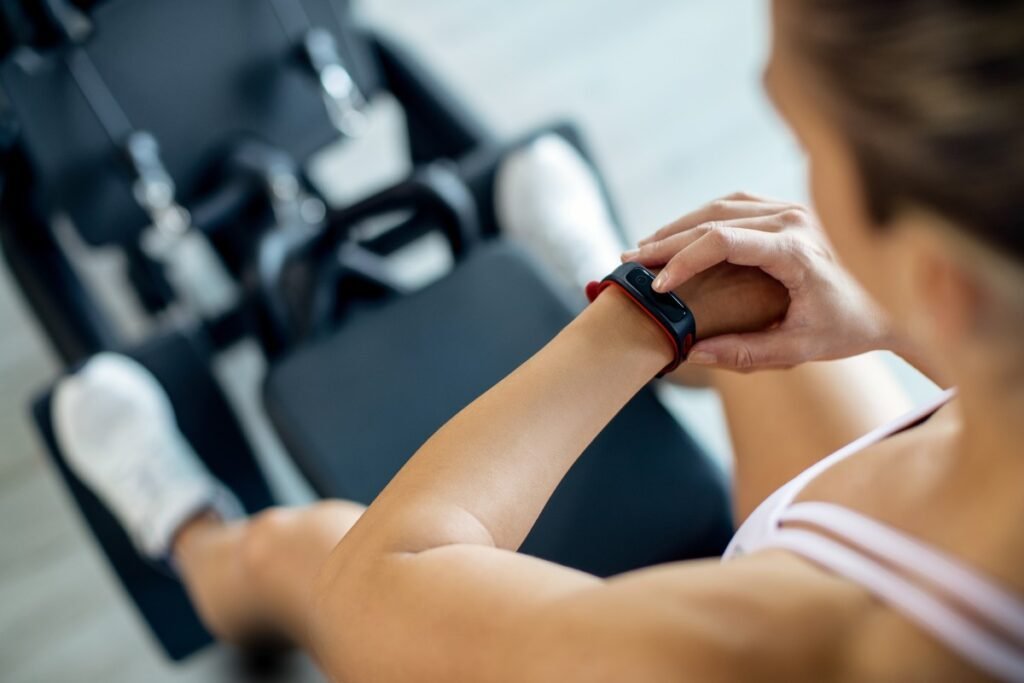
One of the biggest breakthroughs in wearable technology for fitness is how effortless it makes staying on track.
Smartwatches and fitness bands can monitor:
These insights highlight the many fitness trackers’ benefits beyond simply counting steps. They help you recognize healthy habits, identify areas for improvement, and celebrate small wins that keep you motivated.
Instead of just counting calories, exercise physiologists say to focus on your heart-rate zones. Different intensities train your body in different ways: Zone 2 builds baseline stamina and endurance, while higher zones push your speed and cardio limits. Looking beyond the calorie counter is how you see the real quality of your workout.
No wearable is perfectly accurate. According to Acibadem, factors like skin tone, device placement, movement, and sweat can affect readings. Think of your smartwatch as a helpful guide rather than a medical device. Before buying one, consider these:
Note: Fitness trackers are designed to support your health goals, not monitor medical conditions. Never substitute device data for professional medical care if you experience warning signs like chest pain, dizziness, or irregular heart rhythms.
If you’ve noticed your workout app recommending different exercises or adjusting your weekly goals, that’s no accident. It’s a great example of how fitness apps are utilizing AI.
AI studies your workout history, performance, and preferences to create a more personalized experience. Instead of following a generic workout plan, you receive recommendations based on your progress.
AI-powered apps like Caliber or Fitbod can:
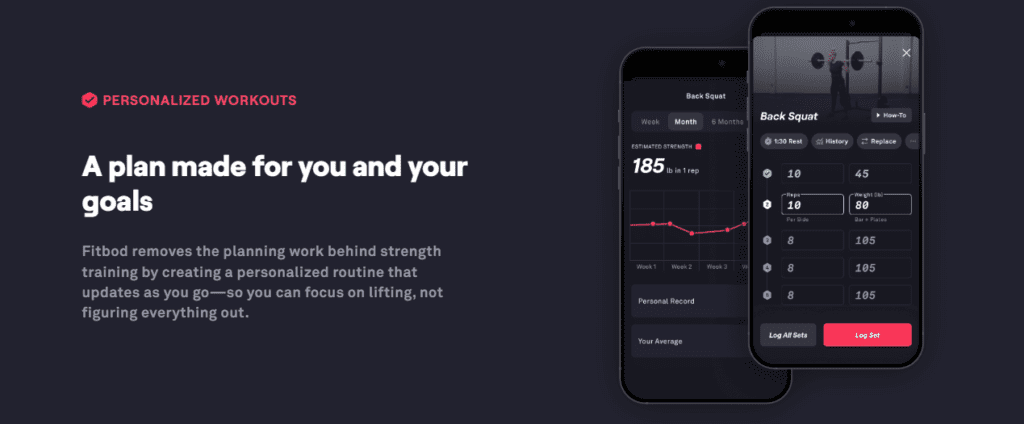
According to a study in JMIR, personalized digital coaching is a game-changer for staying on track. People who got tailored feedback and updated goals stuck to their workouts far better than those using generic fitness plans.
Many smartwatches now track Heart Rate Variability (HRV)—the small variations in time between consecutive heartbeats. A high HRV means your nervous system is rested and ready to roll, while a low score can signal stress, fatigue, or an oncoming cold. It’s not a magic metric on its own, but tracking your long-term HRV trend is a brilliant way to balance hard training with proper recovery.
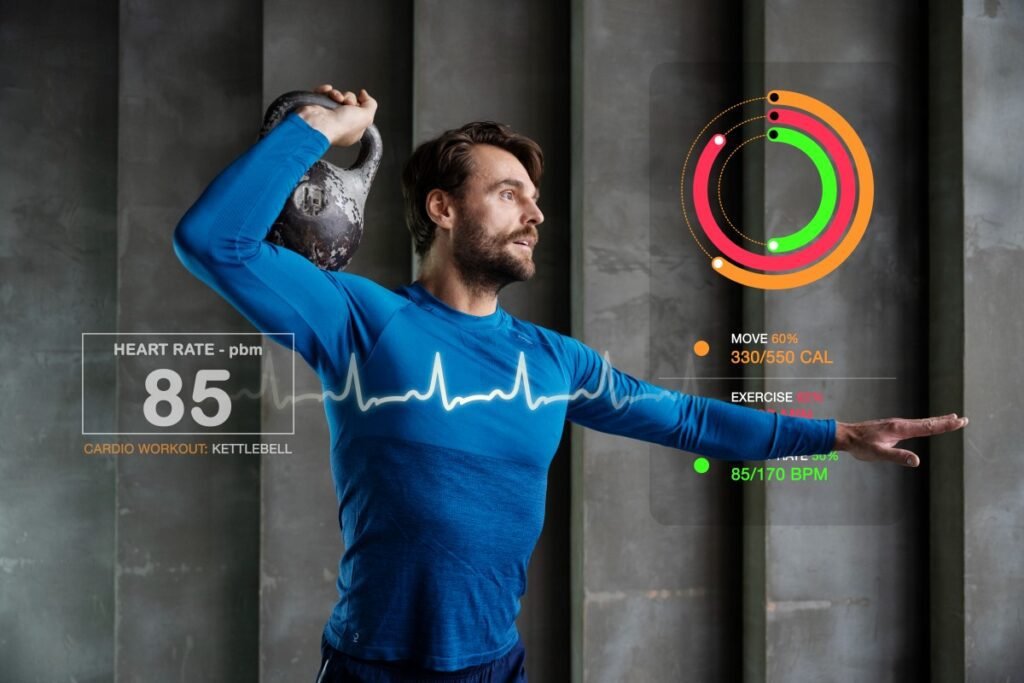
By analyzing your sleep, training history, and HRV, AI can estimate how well your body has recovered. These predictions aren’t bulletproof, but combined with your own judgment, they are excellent for preventing overtraining.
The Limitation
AI is smart, but it doesn’t know everything, including:
It can’t always account for factors like illness, emotional stress, or minor injuries. If something feels off, trust your body over the algorithm and don’t hesitate to take an extra recovery day.
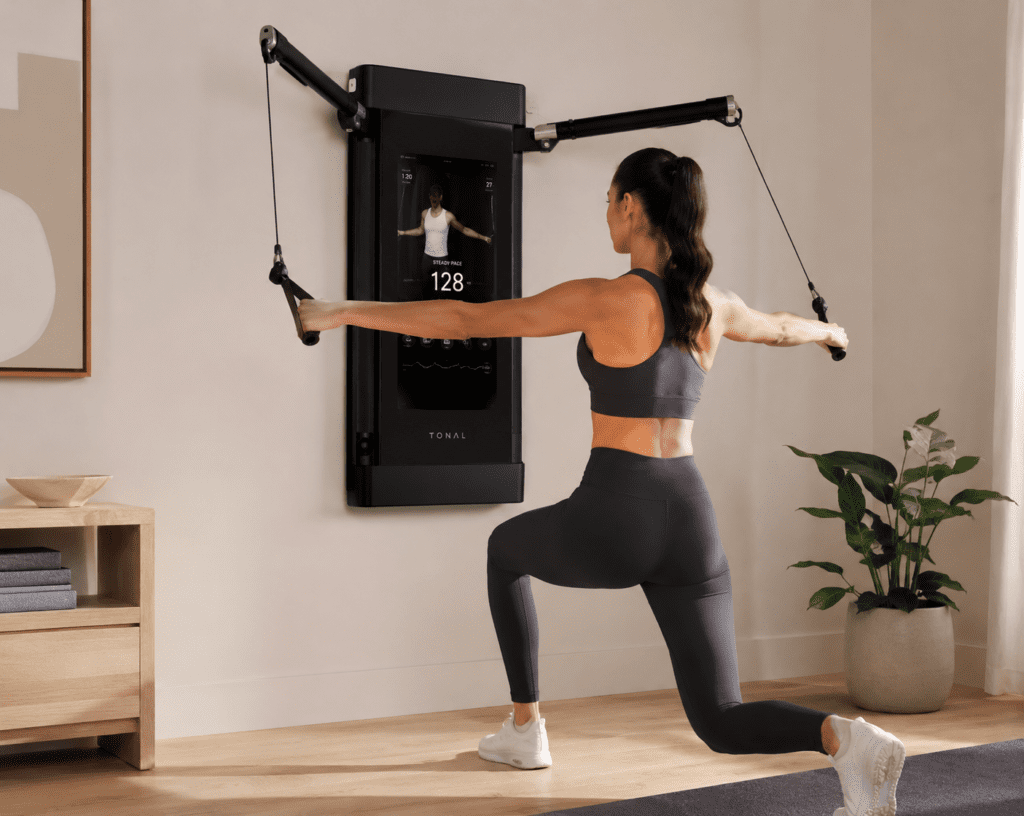
Modern gyms are becoming more connected than ever. Today’s smart gym equipment does far more than provide resistance or cardio options.
If you’ve ever wondered how smart fitness equipment works, here’s the simple answer: built-in sensors collect data while you exercise. That information is then analyzed to provide instant feedback on things like speed, form, power output, or repetitions.
Some machines can even:
This immediate feedback can be especially helpful for beginners who are still learning proper exercise techniques.
Practical Tip
Use smart equipment like Tonal 2 Smart Home Gym or Speediance Gym Monster Home Gym to improve your consistency, not chase perfect numbers. Focus on gradual improvements, such as adding one extra rep or increasing resistance slightly each week.
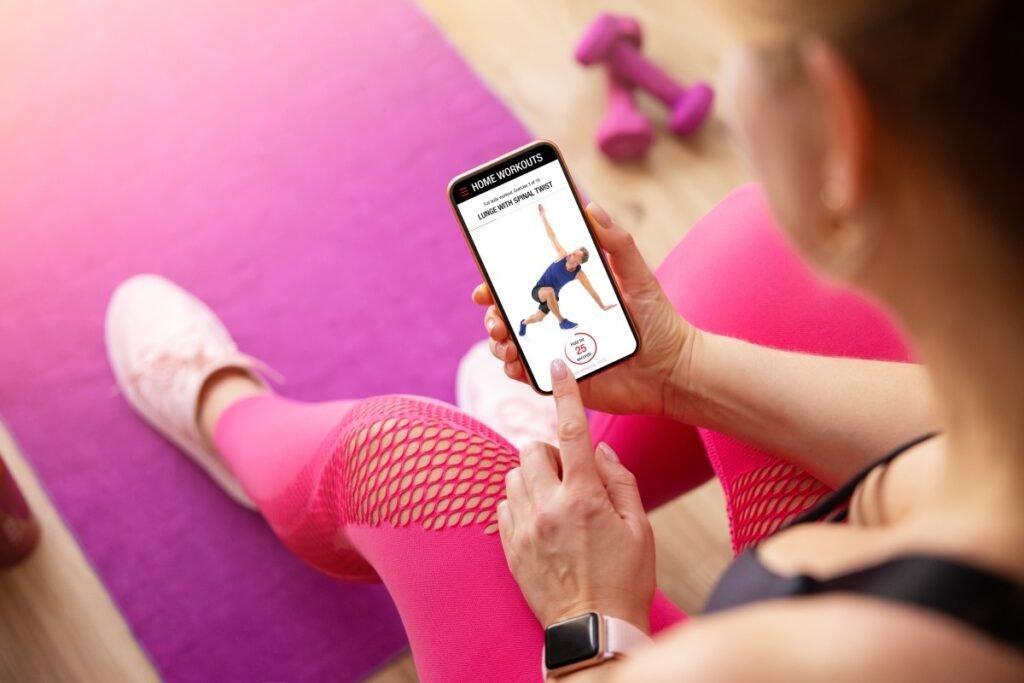
Life gets busy. Between work, family, and everyday responsibilities, getting to the gym isn’t always realistic.
That’s where online fitness training apps come in.
Whether you’re squeezing in a 20-minute strength session before work or joining a yoga class from your living room, these apps make staying active more convenient than ever. According to CNET, training platforms also include:
One of the biggest reasons people stick with online programs is convenience. Removing travel time and offering flexible schedules makes it easier to exercise consistently, which is often more important than following the “perfect” workout plan.
A Word of Caution
Not every workout app is created equal. Before subscribing, look for programs designed by certified fitness professionals (such as Fitbod), clear exercise demonstrations, and beginner-friendly modifications.
It’s easy to lose motivation when you don’t see immediate results. That’s why fitness progress tracking apps have become such valuable workout companions.
They record improvements you might otherwise overlook, including:
Seeing measurable progress reminds you that every workout counts, even when the mirror doesn’t show dramatic changes yet.
This is one of the biggest reasons why digital fitness technology improves workouts, which goes beyond collecting data. It keeps you engaged, motivated, and focused on long-term success.
Practical Tip
Review your progress every two to four weeks instead of every day. Fitness improvements are easier to spot over time, and avoiding daily comparisons can help prevent frustration.
Wearables don’t come without their limitations, so keep this in mind:
| Metric | Reliability |
| Step count | Very accurate |
| Heart rate (steady cardio) | Highly accurate |
| Sleep stages | Moderately accurate |
| Calories burned | Often inaccurate |
| VO₂ max estimates | Approximation |
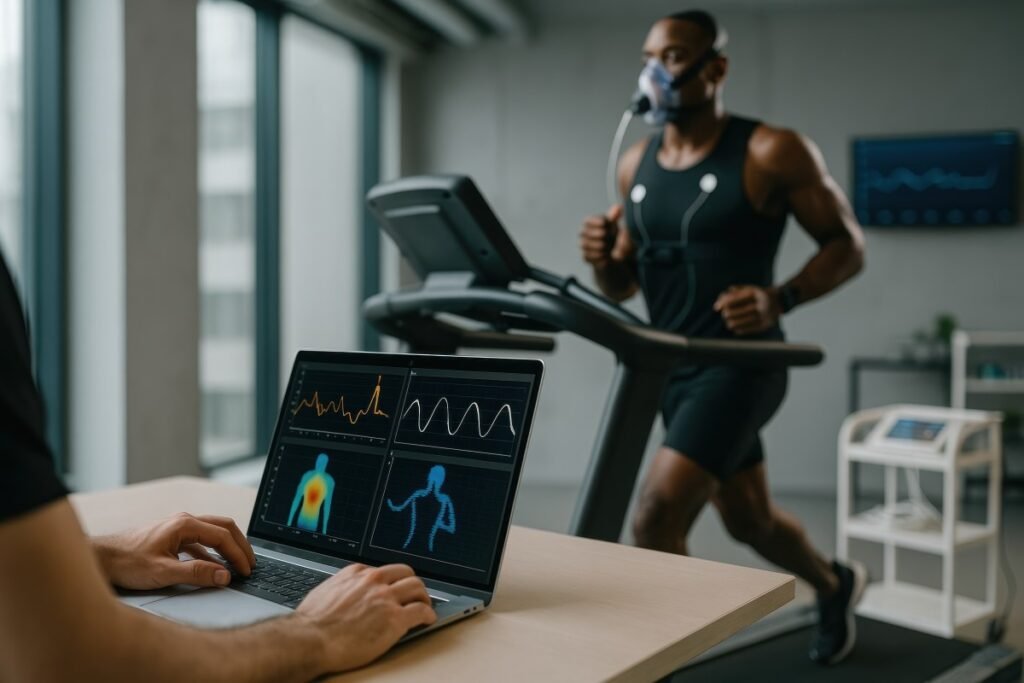
New tech in the fitness industry isn’t replacing personal trainers or traditional gyms. Instead, it’s making fitness more accessible and personalized.
Today’s digital tools work together to create a connected fitness experience. Your smartwatch talks to your workout app. Your smart treadmill syncs with your training plan. Your recovery data helps shape tomorrow’s workout.
Rather than taking the guesswork out of exercise, these technologies help you make smarter decisions based on your own body and goals.
Still, technology has its trade-offs. Premium subscriptions, connected equipment, and wearables can become expensive.
Privacy is a huge part of the equation, especially with cloud syncing constantly backing up your stats. Before handing over sensitive info, dive into your permission settings to control what the app can actually see. It’s always smart to check if they sell your info to third-party sharing networks or if it gets bundled into anonymized health datasets. Finally, make sure you can easily pull the plug—look for clear options for exporting your data or deleting your workout history entirely if you ever decide to move on.
As exciting as fitness technology is, it’s important not to become obsessed with the numbers.
Your smartwatch doesn’t know how motivated you feel today. Your fitness tracker can’t measure determination. And sometimes, your body simply needs rest, even if your app suggests another workout.
Fitness experts often remind clients that wearable data should complement, not replace, body awareness. If you’re unusually tired, in pain, or feeling unwell, recovery is often the smartest recovery decision you can make.
The best approach is to use technology as a guide, not the boss. Listen to your body first, then let your digital tools support the journey.
Fitness has always been about building healthier habits. The difference today is that digital fitness technology makes those habits easier to build and maintain.
Whether you’re using wearable fitness tech, experimenting with smart gym equipment, exploring online training apps, or relying on tracking apps, every tool gives you more insight into your progress.
The future of fitness tech isn’t about replacing hard work. It’s about making every workout more intentional, more personalized, and more rewarding.
True fitness tech isn’t about tracking every single metric. Rather, it’s about building lasting habits. Whether you rely on AI plans, activity rings, or a simple reminder to walk after lunch, devices are at their best when they favor daily consistency over flawless execution.
Pair your digital insights with regular exercise, balanced nutrition, quality sleep, and realistic goals. That’s where lasting progress happens, and no app can replace that! Share your thoughts on this at Tech: Write For Us.
Digital fitness technology uses gadgets like smartwatches, apps, and connected gym equipment to track your workouts, monitor health stats, and provide personalized coaching to help you stay active.
Fitness wearables improve workout performance by tracking real-time data like heart rate, pace, and calories burned. This helps you maintain the right intensity, set measurable goals, and stay motivated.
Yes, by tracking your daily calories, monitoring activity levels, and offering guided workouts. It keeps you accountable and shows your progress, making it easier to reach your weight loss goals.
Smart fitness equipment connects to Wi-Fi or Bluetooth, using built-in sensors to track your movements. It automatically adjusts resistance, streams live workouts, and sends performance data directly to your phone.
Fitness technology prevents injuries by monitoring your form, tracking fatigue levels, and warning you when you’re overexerting. It alerts you to rest, ensuring you train safely and effectively.

Mr. Robert Willson is one of the few geeks who never gets tired when it comes to technology. From the latest gadgets to AI and machine learning, Mr. Willson translates them into easy-to-digest insights. Where there is tech, there is him!
 Why Your Next Workout Needs a Digital Upgrade (And What You’re Missing)
 OnePlus Nord CE6 Series: Price, Features, and Launch Offers Explained
 10 AI Photo Editing Trends Taking Over Instagram in 2026
 Designing for Accessibility: How WCAG Guidelines Benefit Online Businesses?
 Guide to Creating Modern UI Layouts with Bento Grid