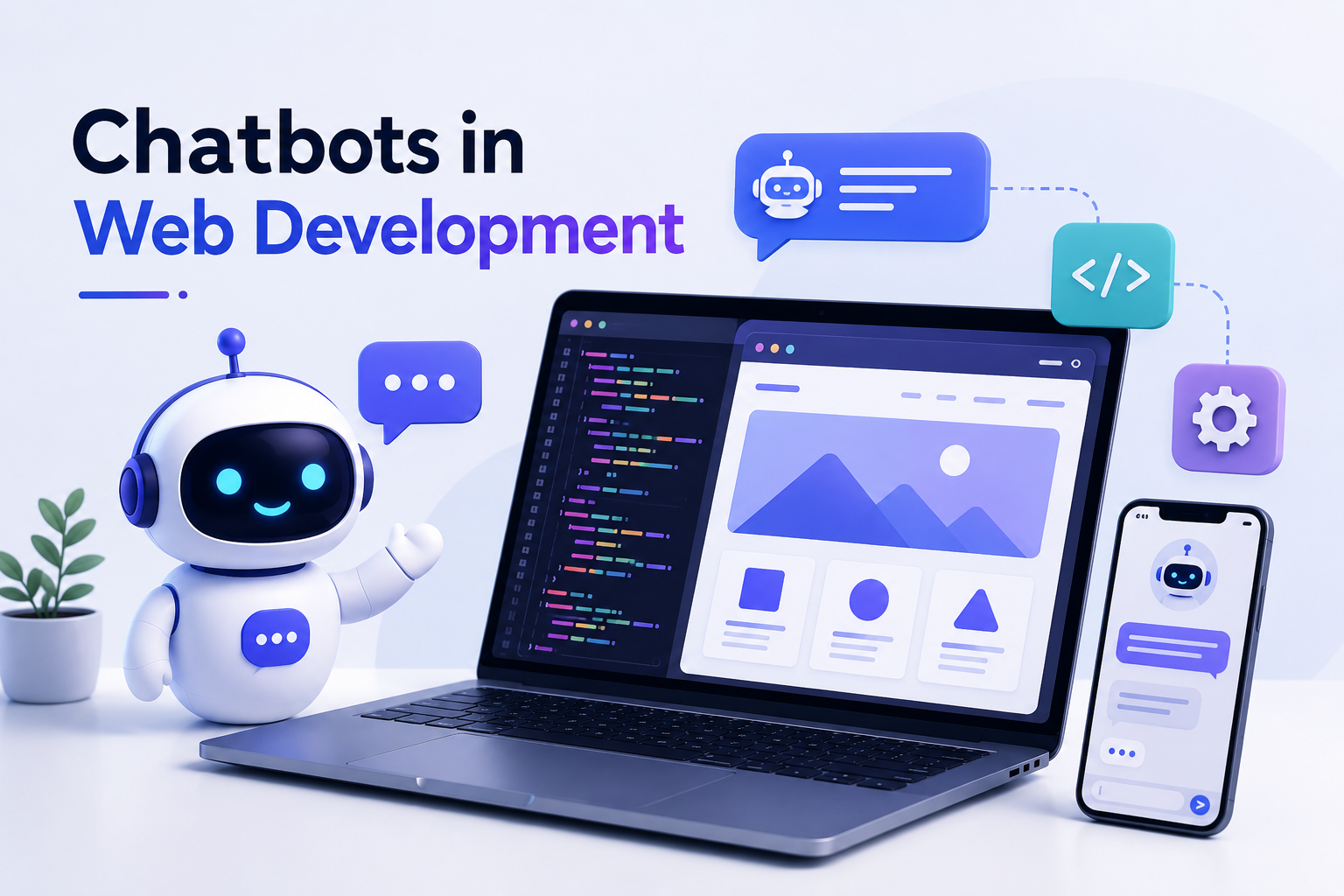
Believe it or not, chatbots are going to dominate web development trends. No wonder developers are also leveraging this trend to make websites more interactive and turn them from static to dynamic. Wondering how chatbots are going to transform web interactions? Imagine a customer visiting an online store and choosing various products through the menu category but needing to go through heaps of results before hitting the right option. Here, chatbots aim to help customers through easy navigation techniques and provide them with quick and natural results.
Chatbots have evolved from simple automated responders into powerful tools that improve how users interact with websites. Whether powered by rule-based workflows or AI, modern chatbots can enhance user engagement, streamline business operations, and create a more personalized browsing experience. Here’s why they have become an essential part of modern web development:
A chatbot provides instant assistance whenever a visitor needs help. Instead of searching through multiple pages or waiting for an email response, users can get answers in seconds. This creates a smoother browsing experience, reduces frustration, and encourages visitors to spend more time on the website.

One of the biggest advantages of chatbot technology is its ability to handle repetitive customer queries automatically. From answering FAQs to tracking orders, booking appointments, or collecting contact information, chatbots reduce the workload on support teams while ensuring faster response times.
Many visitors leave a website because they cannot find the information they need quickly. Chatbots simplify navigation by directing users to relevant pages, products, services, or resources based on their questions. This reduces bounce rates and helps visitors complete their intended actions more efficiently.

Unlike human support teams, chatbots are available around the clock. Visitors can receive assistance at any time, regardless of business hours or time zones. This continuous availability improves customer satisfaction and ensures businesses never miss opportunities to engage potential customers.
Chatbots can collect visitor details, ask qualifying questions, and recommend suitable products or services before passing high-quality leads to the sales team. This shortens the sales cycle and improves conversion rates.
AI-powered chatbots analyze user behavior, browsing history, and preferences to offer personalized recommendations. Whether suggesting relevant blog posts, products, or services, these tailored interactions make users feel understood and increase engagement.
Every chatbot conversation provides useful data about customer preferences, common questions, and pain points. Businesses can use these insights to improve website content, optimize products, and refine their marketing strategies.

As website traffic grows, hiring additional support staff isn’t always practical. Chatbots can manage thousands of conversations simultaneously without compromising response quality. This scalability allows businesses to deliver consistent customer experiences while keeping operational costs under control.
AI-powered chatbot integrations are an important aspect of web design and development. If you are new to the world of web development and design, here’s how the chatbot integration process works:
Chatbots efficiently handle multiple tasks simultaneously, but they require clear instructions to meet a modern website’s specific needs. Defining their role precisely ensures they execute their tasks effectively.
Once you integrate the chatbot into web development, it’s time to personalize the bot service with an inviting message and tasks. The development team needs to look into the personalization requirements, like the point where the chatbots need to interact with the visitors, repeat visitors, and first-time visitors.
Customers using the chatbot service frame the same question differently, so make sure you add a host of words for the AI-powered tool to figure out from the resources in the database.
As part of chatbot design best practices, always include a reliable fallback option in case the AI misunderstands a query or fails to provide an accurate response. This allows visitors to rephrase their request or choose alternative support paths.
A chatbot is only as effective as its design.
Without proper planning and optimization, a chatbot can negatively impact user experience rather than enhance it. While chatbots offer numerous advantages, integrating them into a website comes with its own challenges.
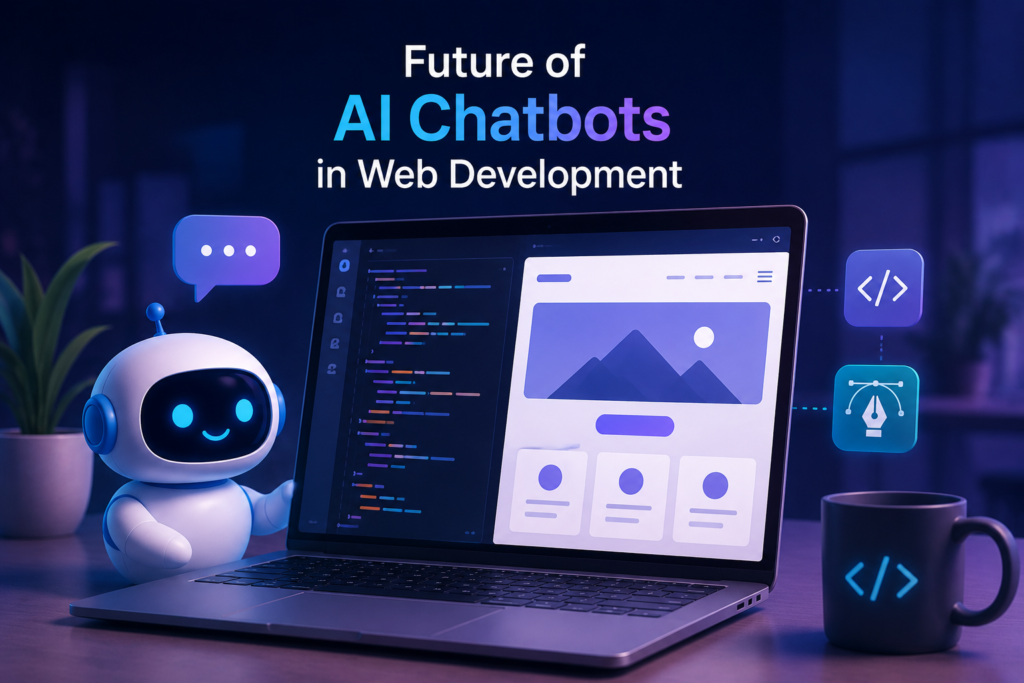
The future of AI chatbots lies in smarter, more human-like interactions powered by generative AI, voice recognition, and predictive analytics. They will deliver highly personalized experiences, automate more complex tasks, integrate seamlessly with business tools, and play an even bigger role in improving customer engagement, conversions, and website efficiency.
Artificial Intelligence is changing every aspect of the digital landscape. As companies are picking this trend to revolutionize customer service, web design, and development teams are also relying on this technology to provide quick and easy solutions to make the chatbots perform tasks without human intervention.
Website chatbots provide instant support, answer common questions, generate leads, improve customer engagement, reduce support costs, and help visitors find information quickly, resulting in better user satisfaction and higher conversions.
E-commerce stores, healthcare providers, educational institutions, banks, SaaS companies, travel agencies, real estate firms, and customer service-driven businesses benefit most from chatbots by automating interactions and improving response times.
Yes. Chatbots improve UX by providing instant answers, simplifying website navigation, offering personalized recommendations, reducing waiting times, and helping visitors complete tasks without searching through multiple pages.
A modern chatbot should offer AI-powered conversations, multilingual support, quick replies, live chat handoff, CRM integration, lead capture, analytics, voice support, and mobile-friendly functionality for a seamless experience.
Yes. Chatbots can be customized with your brand’s colors, logo, tone of voice, welcome messages, avatars, and conversation flows to create a consistent and recognizable user experience across your website.

As a tech-savvy Digital Marketing Specialist at Digital Concepts for the past five years, Sushmita Banerjee bridges the gap between complex tech and impactful storytelling. She channels her expertise into writing thought-provoking content covering everything from AI and software to the latest gadgets and breakthrough tech trends.