If you’ve worked in digital marketing long enough, you’ve probably seen every “next big thing” come with bold predictions. Video would replace blogs. Automation would replace marketers. Now, the conversation has shifted to AI influencers. Every few weeks, another headline asks whether virtual personalities are the future of social media and whether human creators should be worried.
Over the past couple of years, I’ve noticed a shift in the conversations brands are having around influencer marketing. Instead of asking whether they should work with creators, many are asking whether AI-generated personalities could do the job just as well. It’s an interesting question, but after watching brands experiment with both, I’ve found that the answer is far more nuanced than the headlines suggest.
If you’re trying to understand AI virtual influencers, this guide will help you separate the hype from reality.
Let’s start with the basics because this question comes up often.
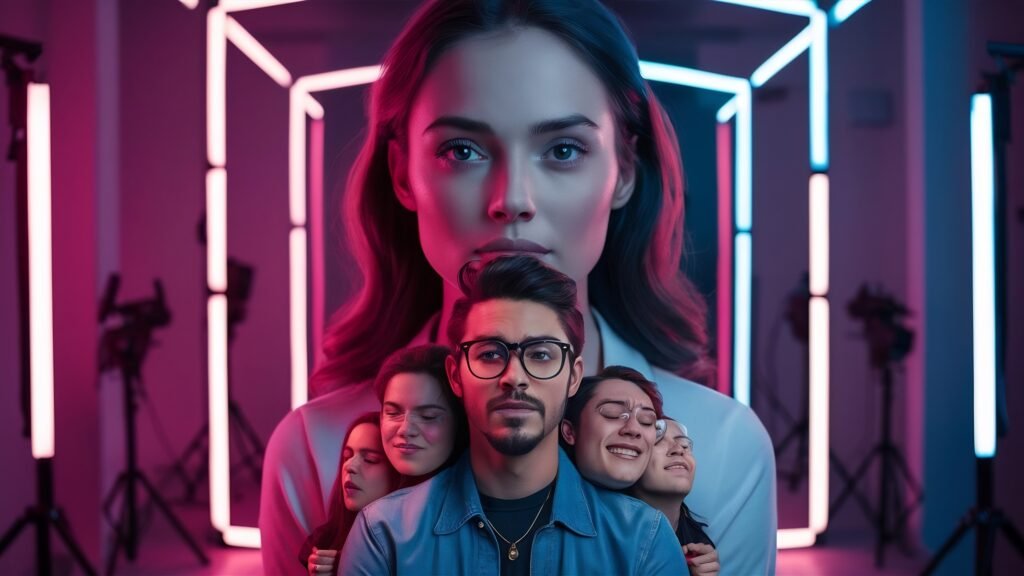
A virtual influencer is a computer-generated personality that looks and behaves like a human on social media. Some are entirely AI-generated, while others are digital characters controlled by creative teams using a mix of AI, CGI, and human input. They post photos, create videos, collaborate with brands, respond to followers, and sometimes even develop fictional backstories.
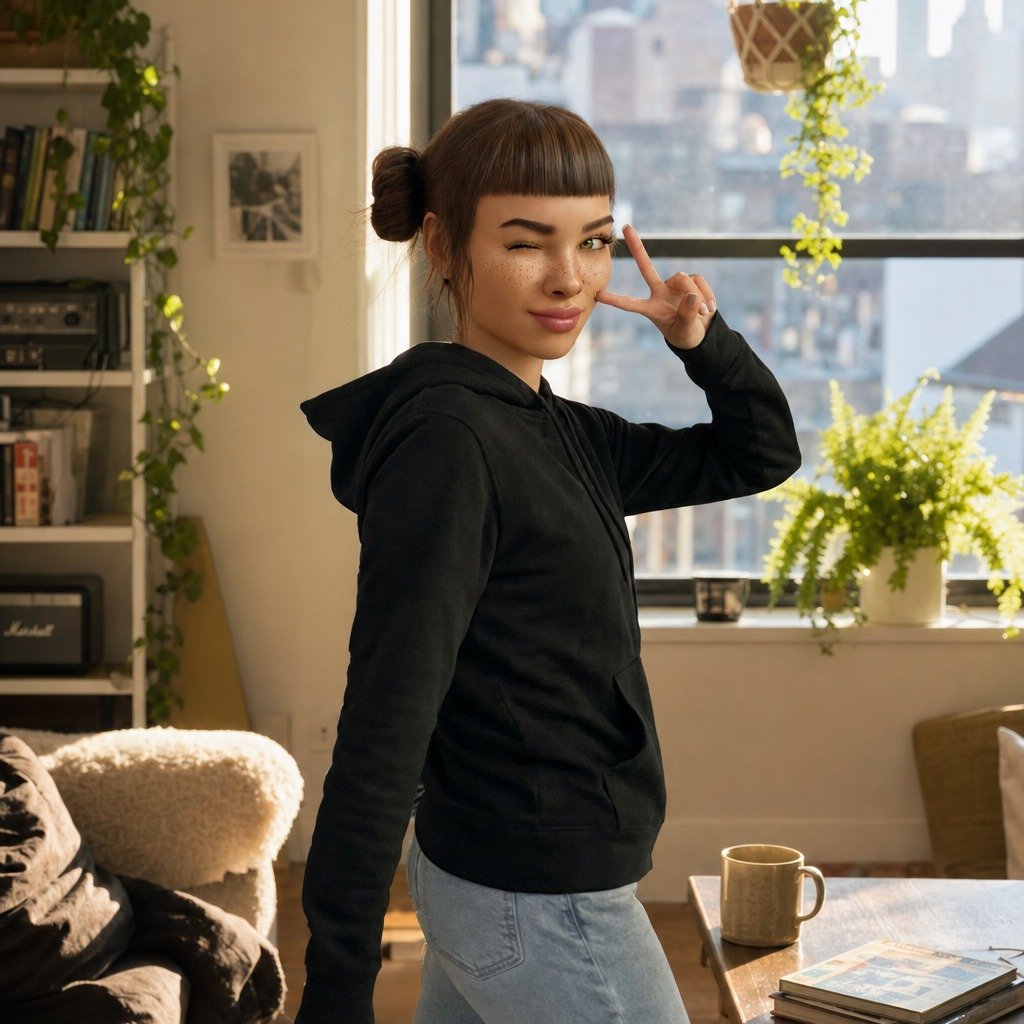
Lil Miquela is one of the best-known examples of a famous AI influencer. Since her debut, she’s partnered with luxury fashion houses and global technology brands, amassed millions of followers, and sparked ongoing conversations about authenticity in influencer marketing. Her success demonstrates that audiences are willing to engage with virtual personalities, but only when the storytelling feels compelling.
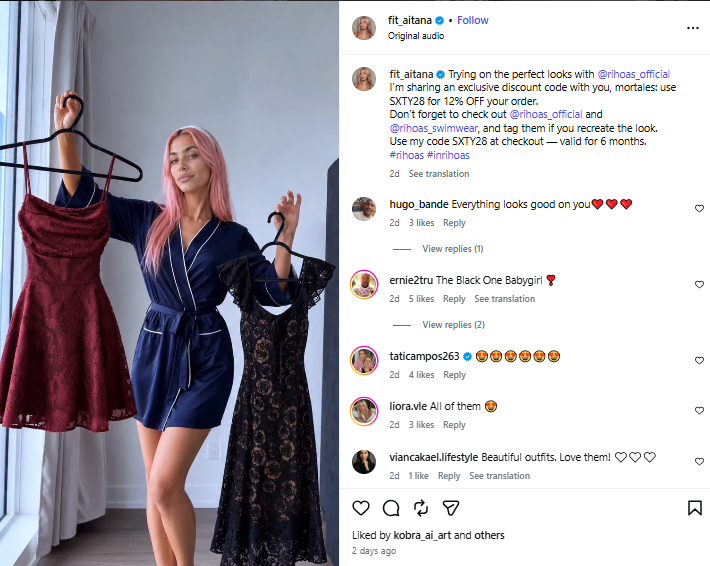
There’s a reason AI influencers have gone from novelty to marketing strategy.
A recent survey by HubSpot found that a 80% of marketers now use AI in some part of their workflow, particularly for content creation and campaign optimization. That’s exactly why brands are experimenting with AI influencers.
Brands aren’t just experimenting out of curiosity. Virtual influencers have already collaborated with global companies like Prada, Samsung, Calvin Klein, and Dior, proving that AI-generated personalities can fit seamlessly into premium campaigns.
How did we go from ChatGPT hacks to this? Their appeal lies in predictability—brands have complete creative control over messaging, appearance, and scheduling without the logistical challenges that often come with traditional shoots.
Some of the biggest advantages include:
An AI travel influencer, for example, can “visit” dozens of destinations in a month, showcasing hotels, airlines, or attractions without the logistical challenges of traditional travel content. For marketers working with tight deadlines, that’s incredibly appealing.
This is where the conversation gets interesting.
Marketing has never been just about beautiful content. It’s about trust. Research consistently shows that consumers trust recommendations from people more than branded messaging, which explains why authenticity remains a competitive advantage for human creators.
Think about the creators you follow. Chances are, you don’t just enjoy their photos—you like hearing about their wins, failures, behind-the-scenes moments, and everyday experiences. AI can’t genuinely have those experiences. A virtual influencer can tell a story, but it hasn’t actually lived it.
That’s an important distinction because the impact of social media influencers in marketing has always been rooted in authenticity. People buy recommendations because they feel connected to the person making them.
An AI character can imitate emotion remarkably well, but audiences are becoming increasingly aware of the difference between simulated experiences and real ones.
In my experience reviewing influencer campaigns, the posts that generate the strongest engagement are rarely the most polished. They’re the ones where creators admit a product didn’t work perfectly, share an unexpected travel mishap, or answer difficult questions from followers, monetized or not. Those moments build credibility because they’re rooted in real experiences. AI can mimic that type of interaction, but it can’t genuinely live it.
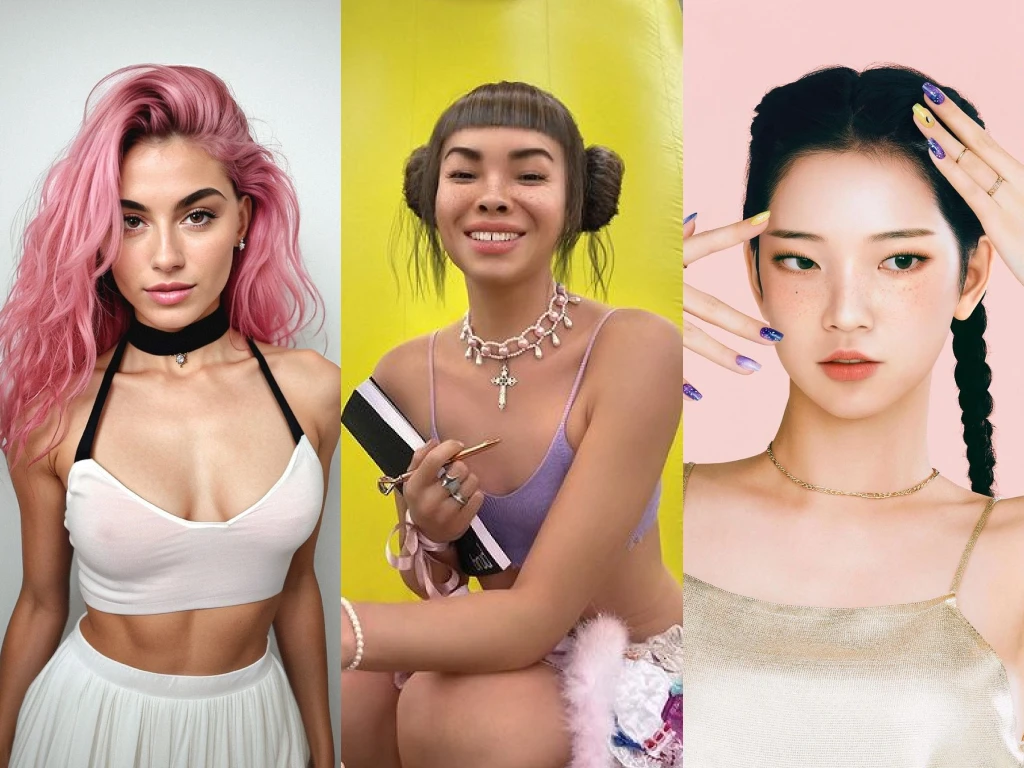
Rather than replacing creators overnight, AI is reshaping how brands think about campaigns.
The effect of AI on influencer marketing isn’t necessarily disruptive in the way many headlines suggest. Instead, AI is becoming another tool in a marketer’s toolkit.
While AI offers incredible efficiency, integrating it into marketing comes with critical risks that brands cannot overlook:
For marketers, using AI responsibly is becoming a brand reputation issue and not just an ethical consideration.
Here’s the short answer: probably not.
If your idea of a creator is someone who shares personal experiences, builds communities, answers questions, and develops genuine relationships with followers, AI still has a long way to go. However, AI will almost certainly replace certain types of repetitive commercial content.
Think about campaigns that focus mainly on:
These don’t always require human storytelling. But when campaigns depend on trust, humor, personality, education, or lived experience, people still prefer people.
So instead of asking this question, it may be more accurate to ask: “Which types of creators are most likely to work alongside AI?”
The answer is many of them.
Increasingly, brands are blending human creators with virtual personalities rather than choosing one over the other. The #Nike50 campaign with Serena Williams stands out in this regard. They utilized the technology to trace Serena Williams’ career evolution, staging a simulated tournament between two distinct eras of the tennis icon.
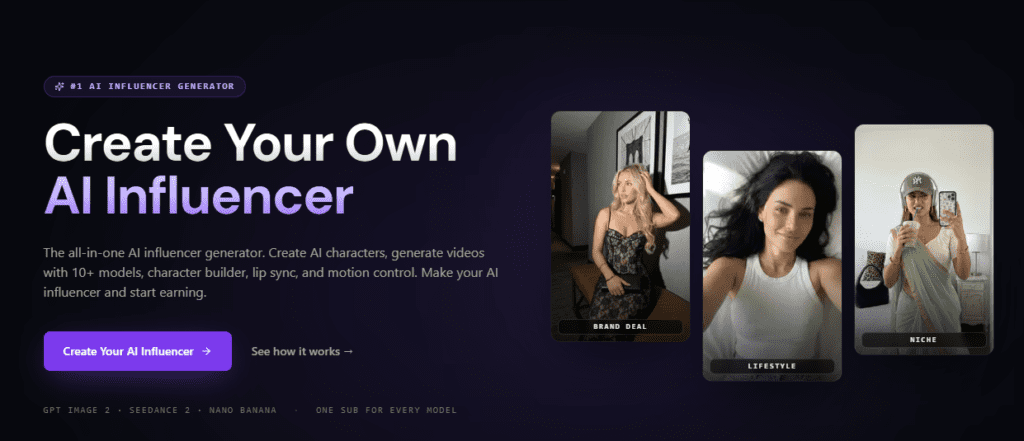
If you’re wondering how to create an AI influencer, the process has become much more accessible than it was a few years ago. Most creators and agencies follow a workflow like this:
Be transparent when appropriate so audiences understand they’re interacting with a virtual personality. The technology is getting easier to use, but successful AI influencers still require creative direction, storytelling, and strategic planning.
There’s little doubt that AI influencers on Instagram are here to stay.
We’re already seeing virtual creators partner with fashion brands, beauty companies, travel businesses, and entertainment brands.
The future likely won’t be AI versus humans, but AI enhancing what human creators already do best.
The rise of AI influencers isn’t the end of Instagram creator marketing—it’s the next chapter.
The future isn’t AI vs. humans—it’s both. The smartest brands won’t choose between them. They’ll use AI to scale up production and human creators to build real trust. It’s not a competition, it’s a partnership.
Want to share your opinions on this? Send them to us at Technology Blogs: Write For Us.
AI influencers are computer-generated, virtual characters created using artificial intelligence and 3D modeling that interact on social media platforms just like real human content creators.
Unlike human creators, AI influencers lack real emotions, physical bodies, and genuine life experiences. They are entirely digitally fabricated, programmable, and controlled by a team or software.
No. While they excel at repetitive or highly styled content, they cannot replicate the genuine human empathy, authentic lived experiences, and deep emotional connections that audiences crave.
Brands invest in them because they offer complete creative control, operate 24/7 without fatigue, eliminate public scandal risks, and are highly customizable for global marketing campaigns.
Their primary limitations include a lack of genuine emotional connection, potential backlash over authenticity, ethical and deepfake concerns, and legal ambiguities regarding intellectual property and disclosures.

As a tech-savvy Digital Marketing Specialist at Digital Concepts for the past five years, Sushmita Banerjee bridges the gap between complex tech and impactful storytelling. She channels her expertise into writing thought-provoking content covering everything from AI and software to the latest gadgets and breakthrough tech trends.